Laying Tiles Without Grout – Is It Possible?
Are you wondering if it's possible to lay tiles without grout? The answer to this question is yes. Grout-free tile installation is becoming increasingly popular and is not a difficult procedure. In this article, you will learn how to do it and what the benefits of laying tiles edge to edge are.
Can tiles be laid without grout?
Laying tiles without grout is possible and an increasing number of people renovating or finishing their interiors are choosing this option. A perfectly smooth and gap-free surface on the wall or floor not only beautifully reflects light from one angle, but also creates the impression of a larger space. Laying tiles without grout will allow you to visually enlarge a room with a small area.


What is the role of grout?
Grout is the joint between tiles laid on the wall or floor. Its main role is to protect the tiles from moisture penetration. Additionally, this small space serves to protect the wall from the growth of mold, dirt, and mildew.
Furthermore, properly selected grout levels out size differences between individual tiles, which are never perfectly even. Did you know that after laying, tiles expand due to heat and shrink due to cold? In this case, a thin layer of grout protects them from cracking.
Despite the useful function that grout serves, it is not as commonly used. Are you wondering why? Because the space between tiles quickly gets dirty, and the narrow size of the gap makes cleaning it difficult and often requires tedious scrubbing with a toothbrush. That’s why grout-free tile installation is gaining popularity.
Safe grout-free tile installation is only possible when using rectified tiles. The tiles undergo thermal treatment, which results in their edges being evenly trimmed. Individual tiles are so perfectly cut that deviations occur very rarely and do not exceed 0.2 mm. Both floor and wall tiles, including large-format tiles, are subjected to rectification.

Grout-free tile installation – step by step
Although grout-free tile installation is possible, experts recommend that you still place at least a minimal amount of grout between the tiles, ensuring its thickness does not exceed 2 mm. The grout will not be noticeable, and you will achieve a smooth and even surface. You will also have the option of quickly and easily replacing a single tile in the future, as even the toughest tile can be damaged.
Now we will give you tips on what to prepare to have grout-free tiles, how to lay the tiles, and how to do it quickly and efficiently. Here are some good tips.
Grout-free tile installation and surface preparation
Have you chosen the right grout-free tiles? Now it's time to properly prepare your work area. In this case, we mean precisely leveling the surface. Clean it thoroughly using a vacuum cleaner, water, and an alkaline solution. Then, protect the floor with a priming emulsion, and if it has any unevenness or cracks, use a self-leveling compound.
The adhesive is extremely important. It is recommended to use waterproof and highly flexible products. These should be adapted to the specifications of rectified tiles.

How to lay tiles without grout and apply adhesive?
```html
When laying grout-free tiles, you must remember to apply adhesive to both sides of the tile. Cover the tile directly with one layer, and apply another layer to the surface where you will place the tile. If you decide to use an invisible grout with a width of 1-2 mm, spacer crosses will help maintain the proper gaps.
Tiles with grout are primarily safer to use. This technique is always recommended by tilers. A minimal grout thickness is necessary due to the thermal expansion of materials, which is considered one of the key characteristics of ceramic tiles, a natural material that changes its properties under different conditions. Work on a floor or wall without grout involves the risk of tiles separating, cracking, and lifting off the substrate.
Grout-free tile installation is quite quick, but you need to be careful and watch out for any misalignments or uneven edges. This can be achieved by laying a few tiles next to each other and then gently but firmly pressing them into place. Using this method will give you much better adhesion and proper filling of the adhesive under the tiles.
Grout-free tile installation can be done in many ways. The most traditional method is the straight layout, where square tiles are placed next to each other. A popular pattern is the diamond shape, or a small offset, where each subsequent row is shifted by a few percent compared to the previous one.
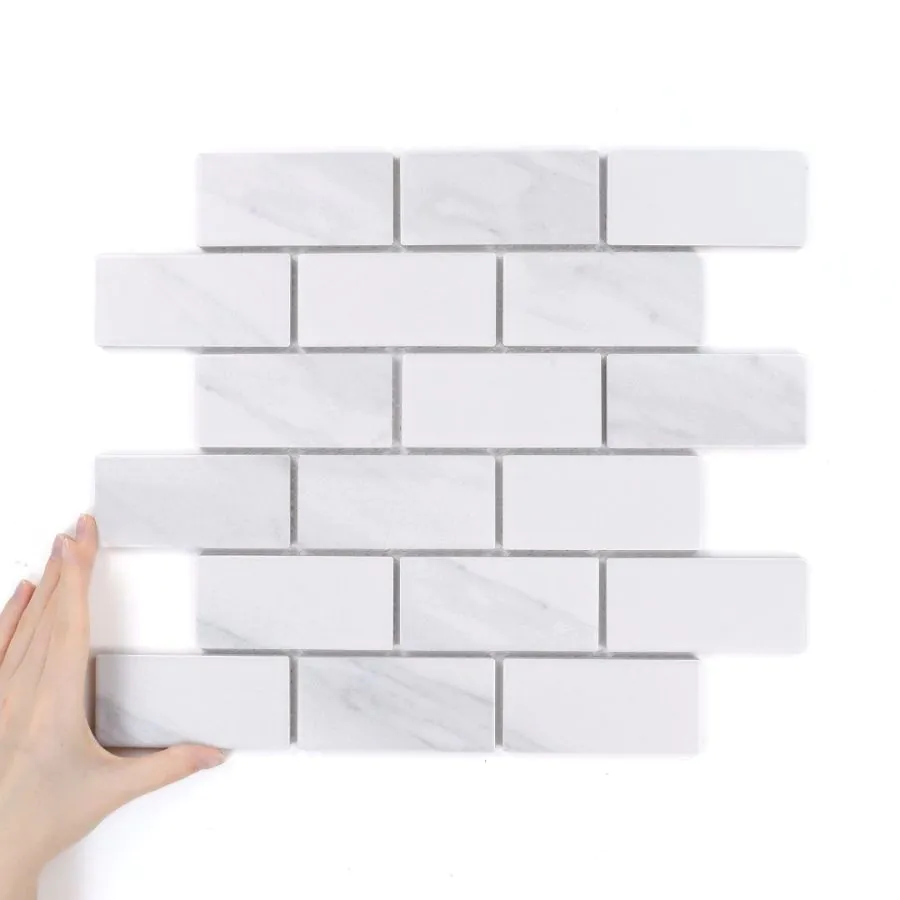
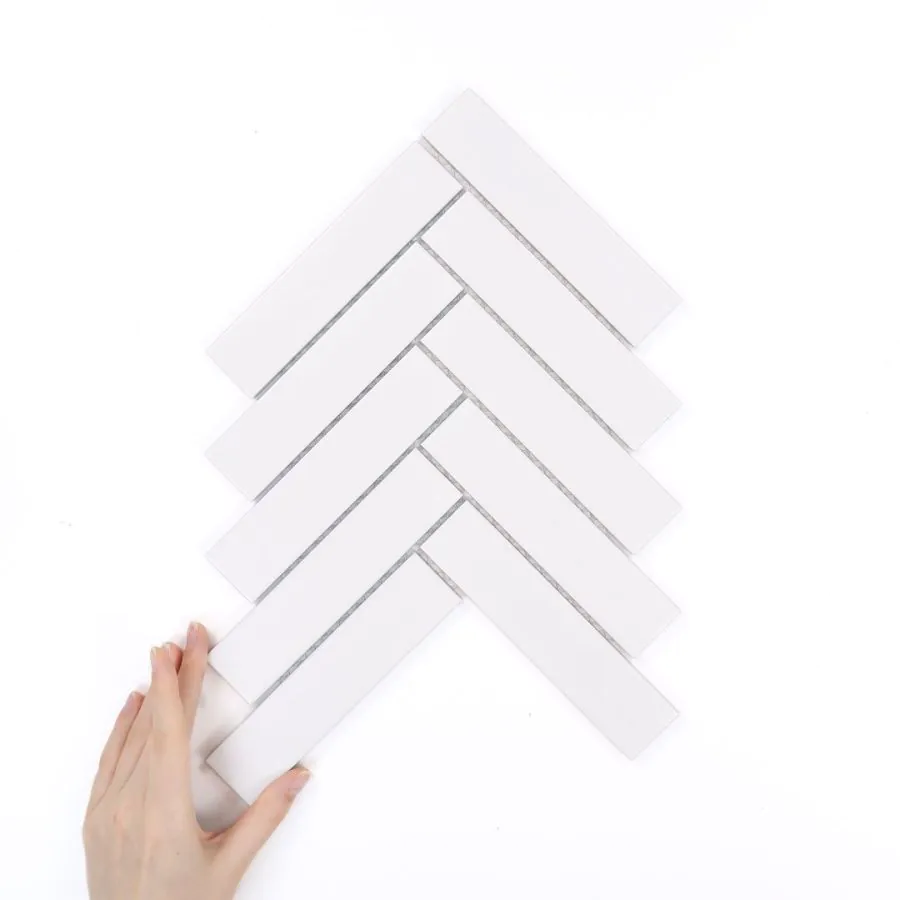
Rectangular tiles can be laid in a herringbone, brick, or alternating pattern. The latter pattern looks especially good on large surfaces, such as floors.
```

Grout-free tile installation or with grout – which to choose?
EXPERT ADVISES
"Grout-free tile installation is recommended for rooms like kitchens or bathrooms. Importantly, you cannot lay grout-free tiles on underfloor heating, as tiles expand under heat, and it is the grout that provides proper expansion joints for them."

You’ve learned how to install tiles without grout and what you need to prepare. If, after reading our article, you prefer traditional tiling, that’s perfectly fine.
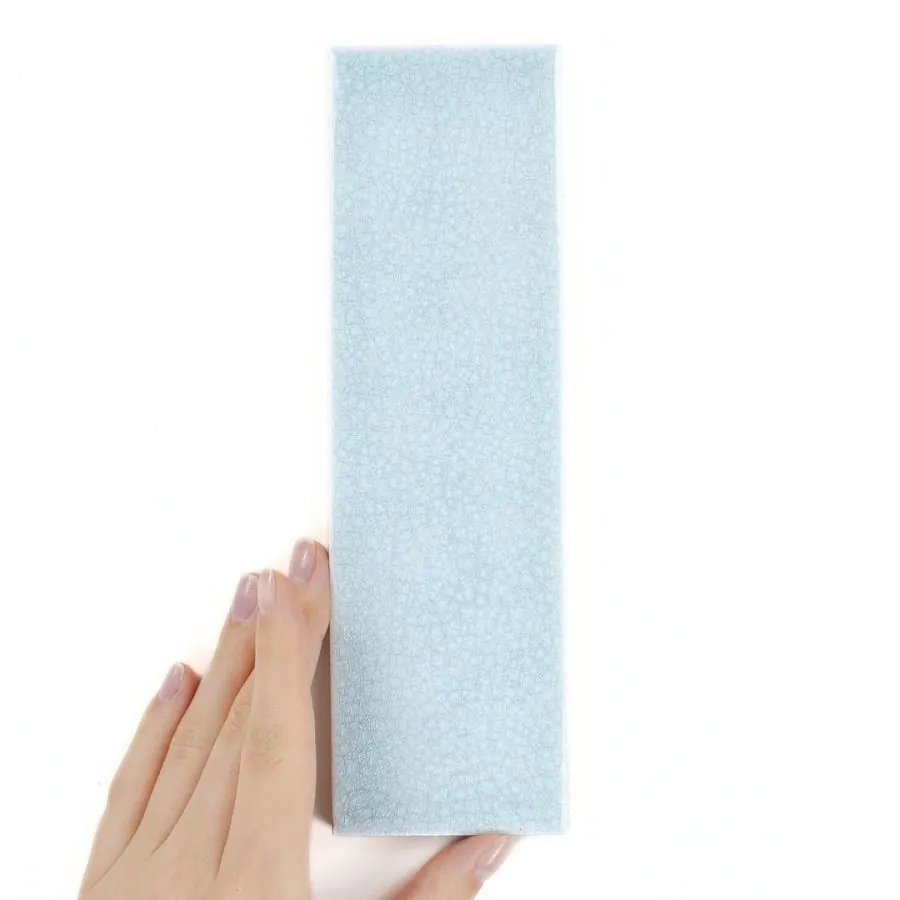
In the assortment of the Raw Decor store, you will find the highest quality ceramic tiles in glossy or matte finishes, which you can use on walls and floors in any room of your home. They are a great alternative to grout-free tile installation.
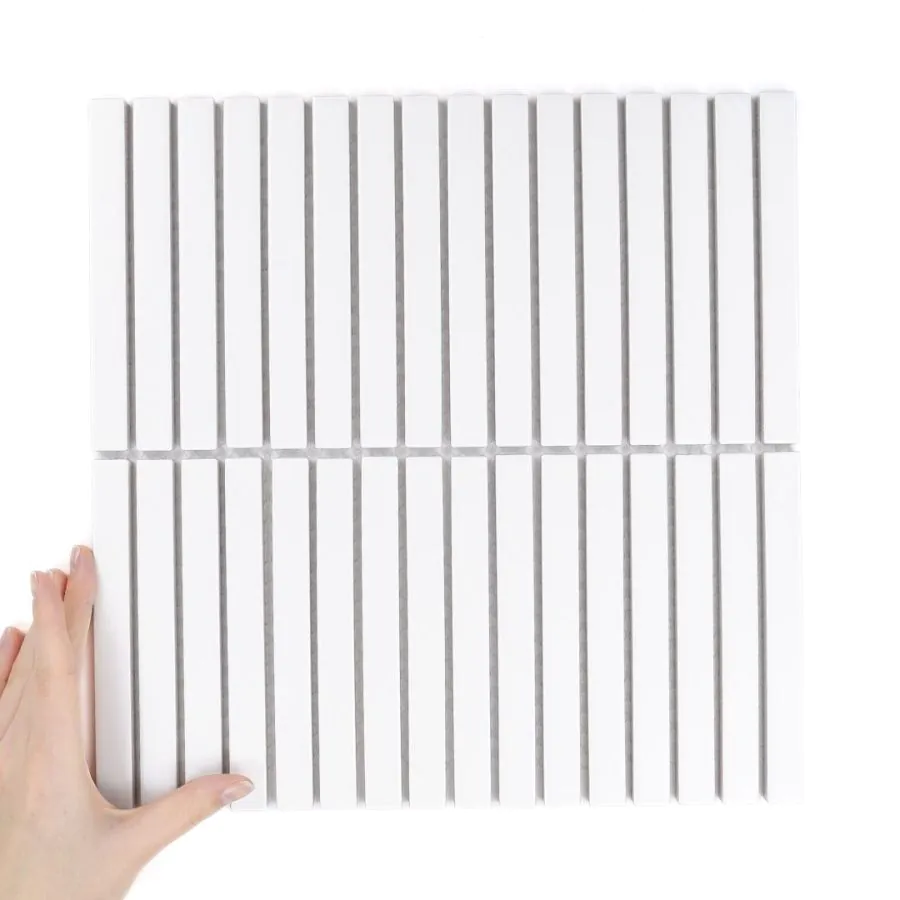
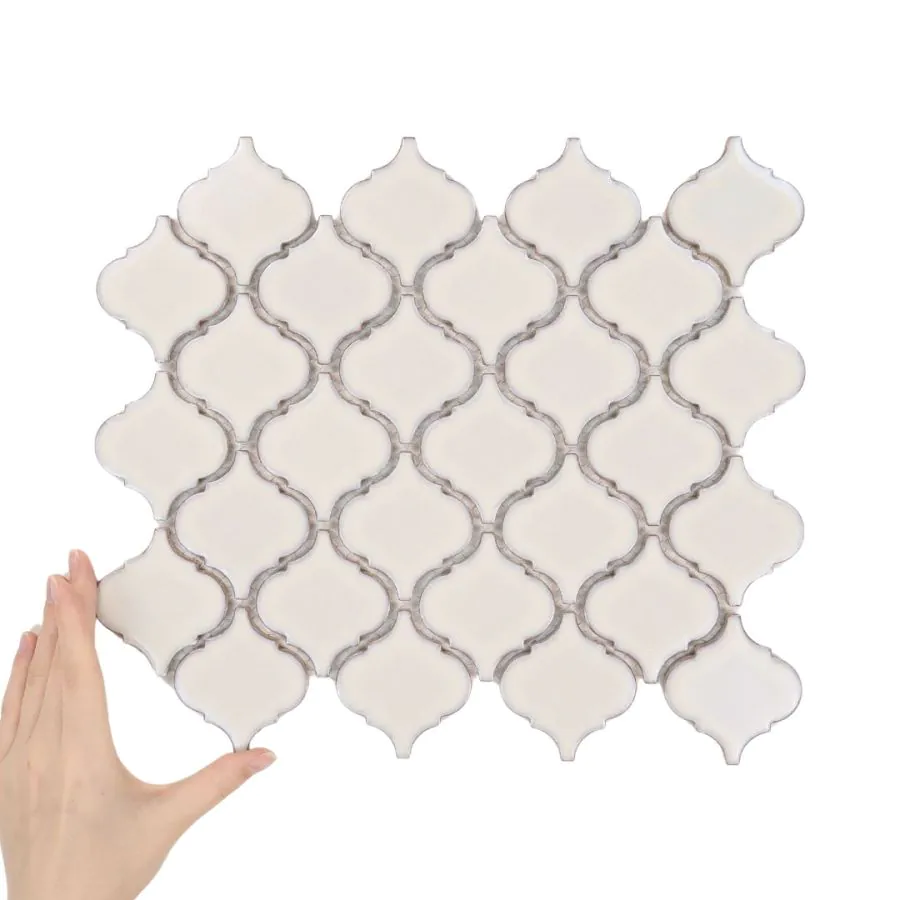
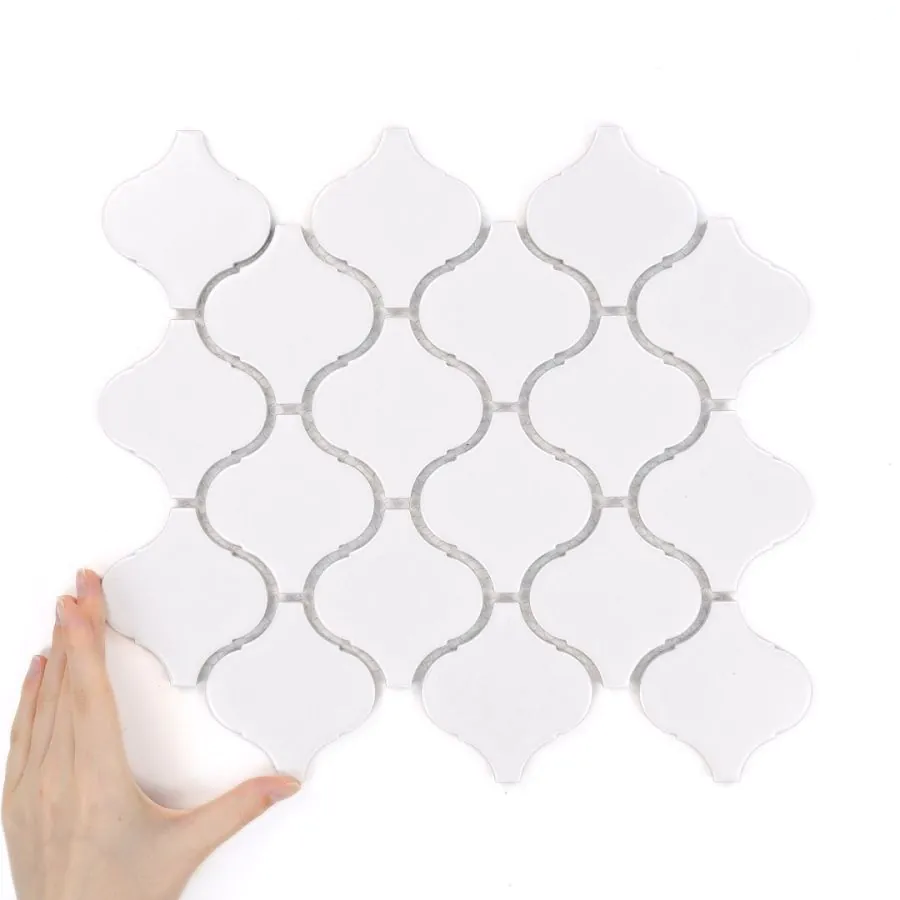
In modern bathrooms, kitchens, and even living rooms, ceramic mosaic also works great, serving both a decorative and protective function. The material effectively protects walls from dirt and moisture, and as flooring, it provides effective insulation. Since the mosaic is mounted on sheets, special grids, or paper, you don’t have to attach each individual element separately.
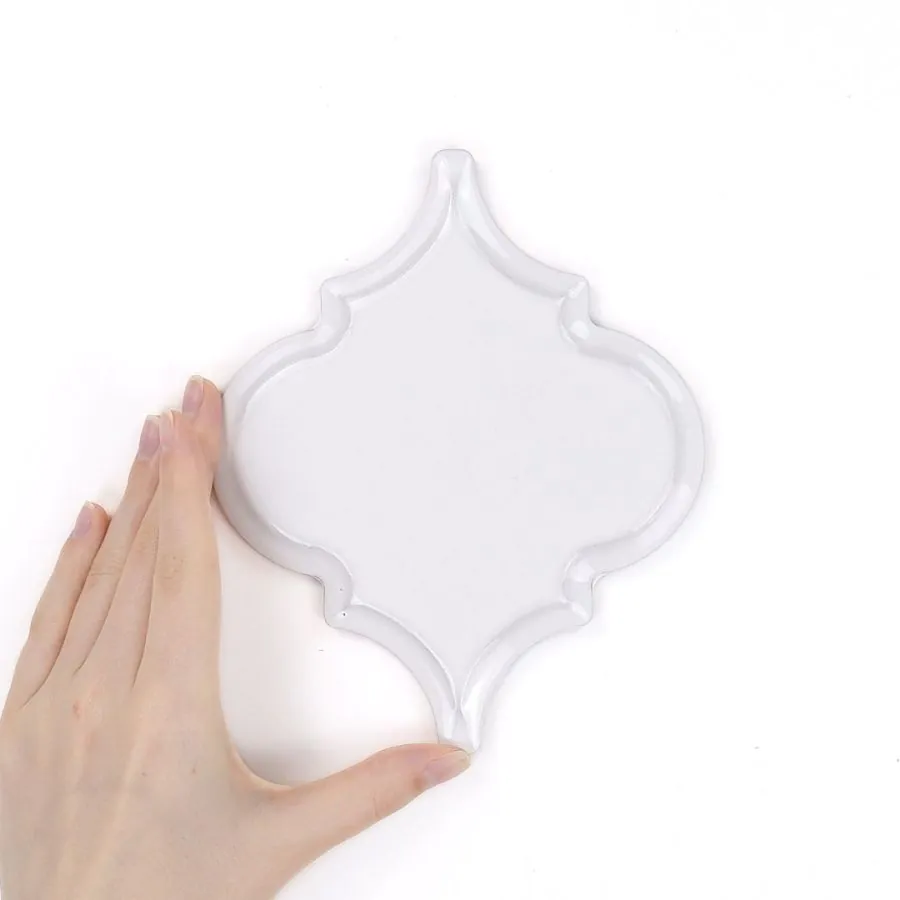
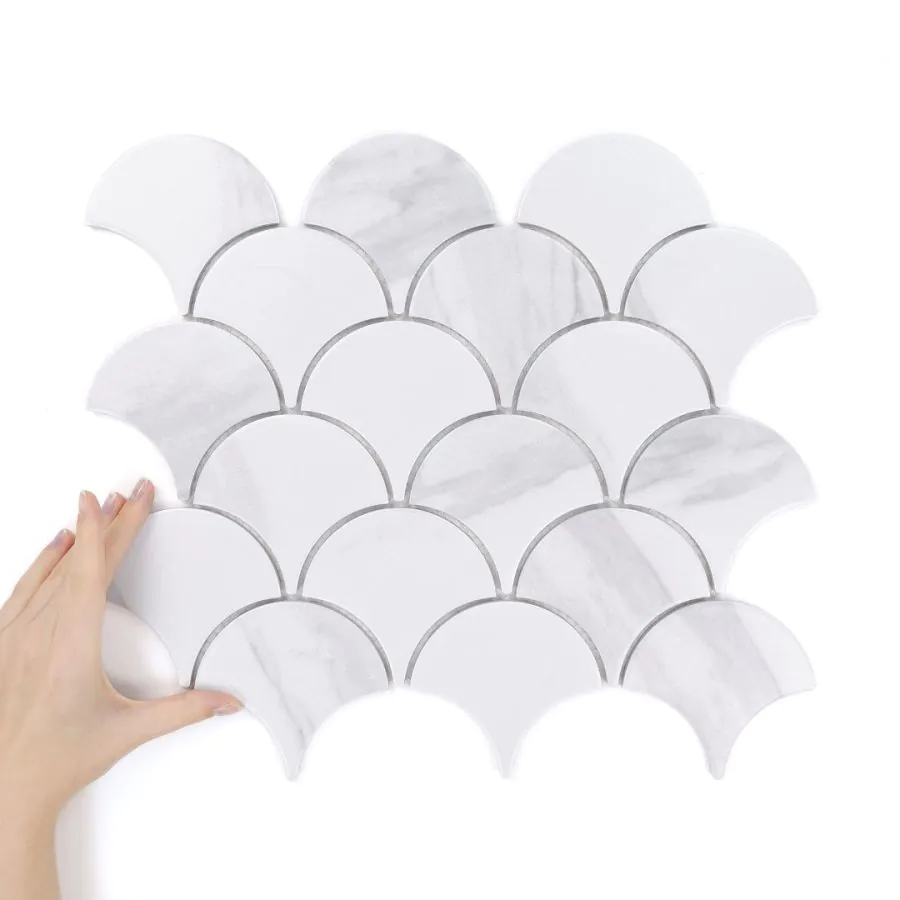
A variety of shapes, colors, and patterns – all of this awaits you at Raw Decor. Products with irregular shapes, such as fish scales or arabesques, are particularly popular. They reflect sunlight beautifully and are easy to keep clean.
It doesn’t matter whether you choose grout-free tiling or tiles with small gaps – tiles in the kitchen or bathroom are durable, resistant to high temperatures, and mechanical damage. You can easily wipe off stains and dirt from their surface and protect the space between kitchen cabinets.
Tiles on the wall are a reliable way to create a unique interior design. Moreover, they look fantastic when combined with other finishing materials – for example, panels or parquet. By choosing colorful mosaics, you can achieve a fashionable and original effect.

RECOMMENDED PRODUCTS: